July 27, 2026
Ukrainian technologies are reshaping modern warfare
Ukraine is making increasingly effective use of technological innovation on the battlefield. In the first half of July alone, three landmark combat operations highlighted how rapidly Ukrainian military technology continues to evolve.
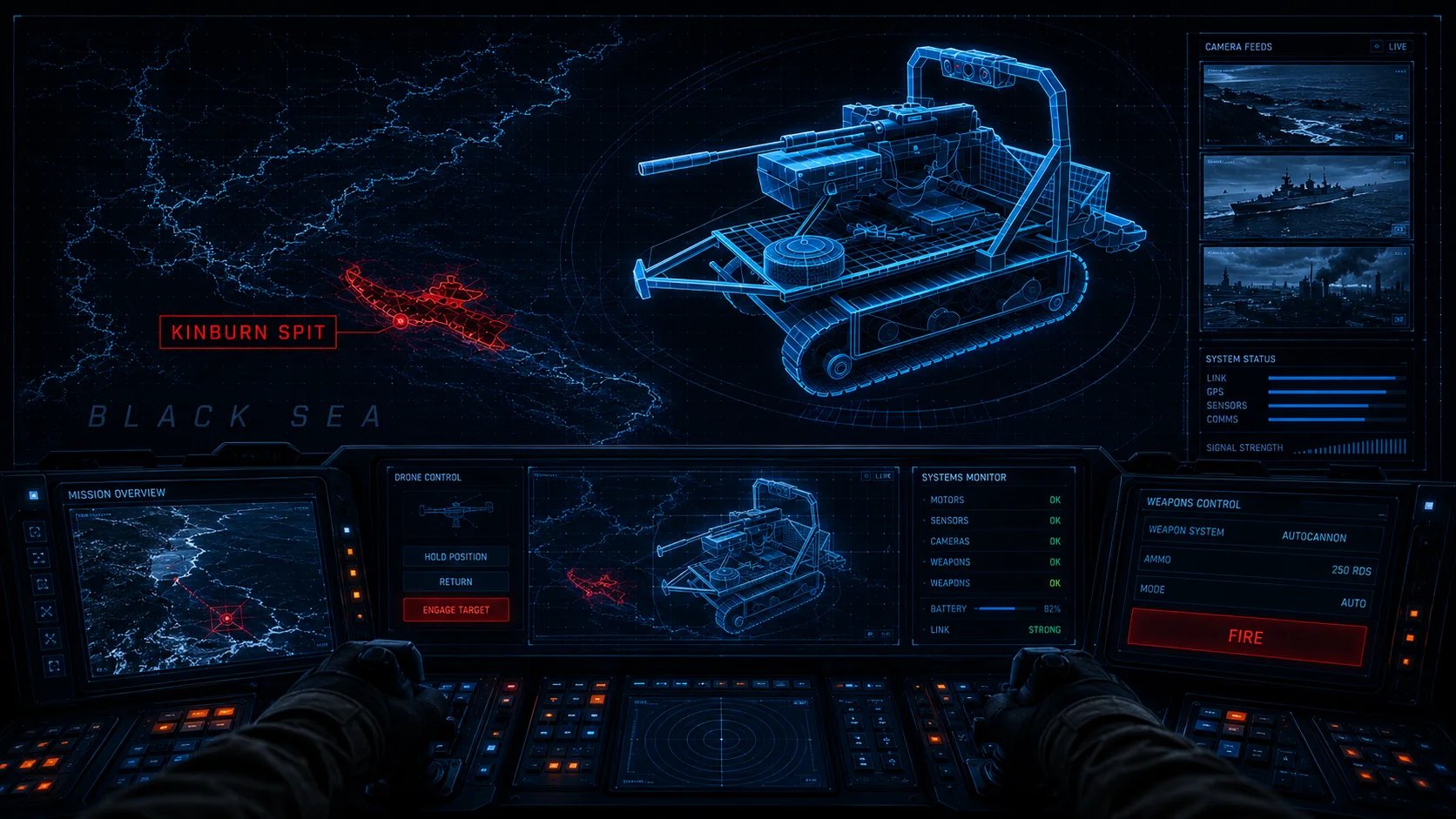
For the first time in history, a naval drone transported and deployed an armed unmanned ground vehicle equipped with a machine gun during an amphibious assault. The integration of a naval drone and an armed ground robot within a single combat mission drew the attention of military analysts and international media alike, demonstrating new approaches to conducting military operations.
Shortly afterwards, on another sector of the front, Ukrainian troops successfully assaulted an enemy position using drones and two machine-gun-equipped unmanned ground vehicles. The enemy infantry group was completely eliminated. In situations where the risk to personnel is exceptionally high, robotic systems are increasingly carrying out combat tasks, reducing the exposure of Ukrainian soldiers to unnecessary danger.
During the first half of 2026 alone, unmanned ground vehicles carried out more than 66,300 missions. Most were logistical, delivering ammunition and supplies to frontline positions and evacuating wounded personnel. At the same time, their role in direct combat operations continues to expand.
Ukraine has become one of the world's leading developers of cutting-edge military technologies. Ukrainian drones and unmanned ground vehicles continue to demonstrate impressive combat effectiveness.
New rules of warfare in the air
Ukrainian cyber intelligence specialists have also achieved significant success. As a result of one of their operations, russian air defense forces shot down one of their own Su-57 fighter aircraft. While analysing intercepted intelligence materials, Ukrainian cyber specialists discovered video footage documenting the training of russian air defense units. Working together with other experts, they developed a method of interfering with the operation of russian air defense systems. As a result, russian air defense forces mistakenly engaged one of their own aircraft.
In another remarkable incident, over enemy-held territory, a Ukrainian FPV drone successfully intercepted and struck a russian Mi-28 attack helicopter in flight. A drone costing only a few hundred dollars destroyed one of russia's most advanced combat helicopters, valued at more than $15 million.
The New York Times has also reported on how Ukrainian forces successfully adapted U.S.-made Patriot air defense systems to the realities of modern warfare. Initially, Ukrainian crews employed the tactics they had learned during training in the United States and Germany. Once the systems entered combat, however, it became clear that new operational approaches were required.
Ukrainian air defense crews now frequently switch Patriot systems to manual mode in order to avoid automatically launching expensive interceptor missiles against relatively inexpensive attack drones or decoy targets. Those threats can often be neutralized using much less costly means.
This adaptation has become particularly important as Iran's strikes against countries in the Persian Gulf have significantly reduced global stocks of Patriot interceptor missiles. In response, Ukrainian specialists have begun sharing their expertise with the air defense forces of partner nations, training them in cost-effective and efficient methods of countering drone attacks.
After more than four years of full-scale war, the Ukrainian Armed Forces have accumulated unique experience in modern warfare. Ukrainian service members are calling on foreign volunteers to join their ranks and are ready to share the combat knowledge and operational experience gained on one of the world's most technologically advanced battlefields.
 Application accepted!
 Application not accepted