Aug. 2, 2026
The Sky belongs to the Brave
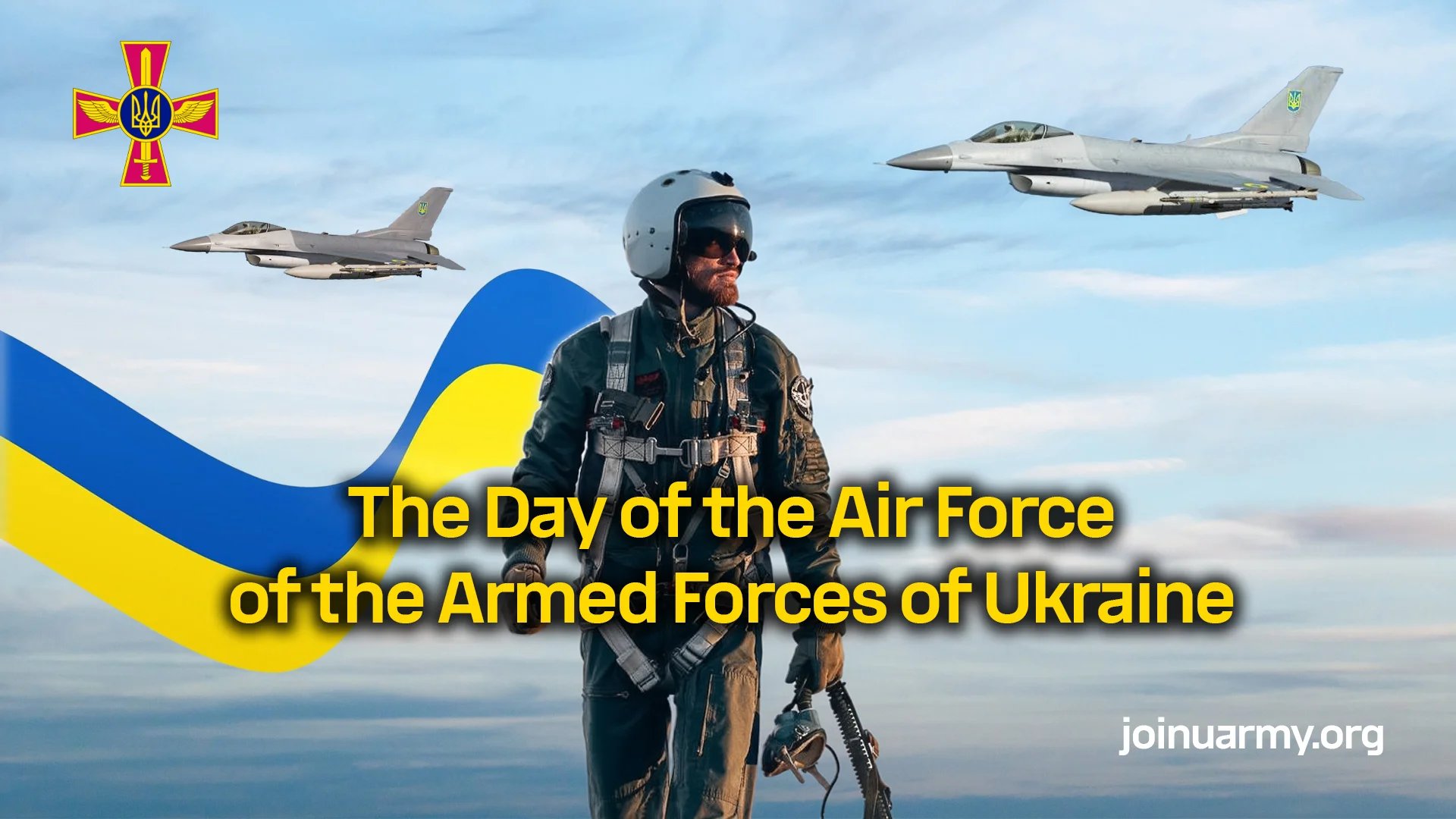
On August 2, Ukraine celebrates Air Force Day. This is one of the main branches of the Armed Forces of Ukraine, designed to protect airspace. They include the following types of aviation: bomber, fighter, assault, reconnaissance, and transport. The Air Force also includes the Anti-Aircraft Missile and Radio Engineering Troops, as well as separate special forces units (reconnaissance, engineering) and support units.
In the first days of the full-scale invasion in February 2022, the russians tried to destroy Ukrainian aviation and air defense in order to seize control of the Ukrainian sky. However, the Air Force soldiers thwarted these plans. They maintained their combat potential and inflicted significant losses on enemy aviation. As a result, in the first half of March 2022, russian aviation was forced to significantly reduce its activity.
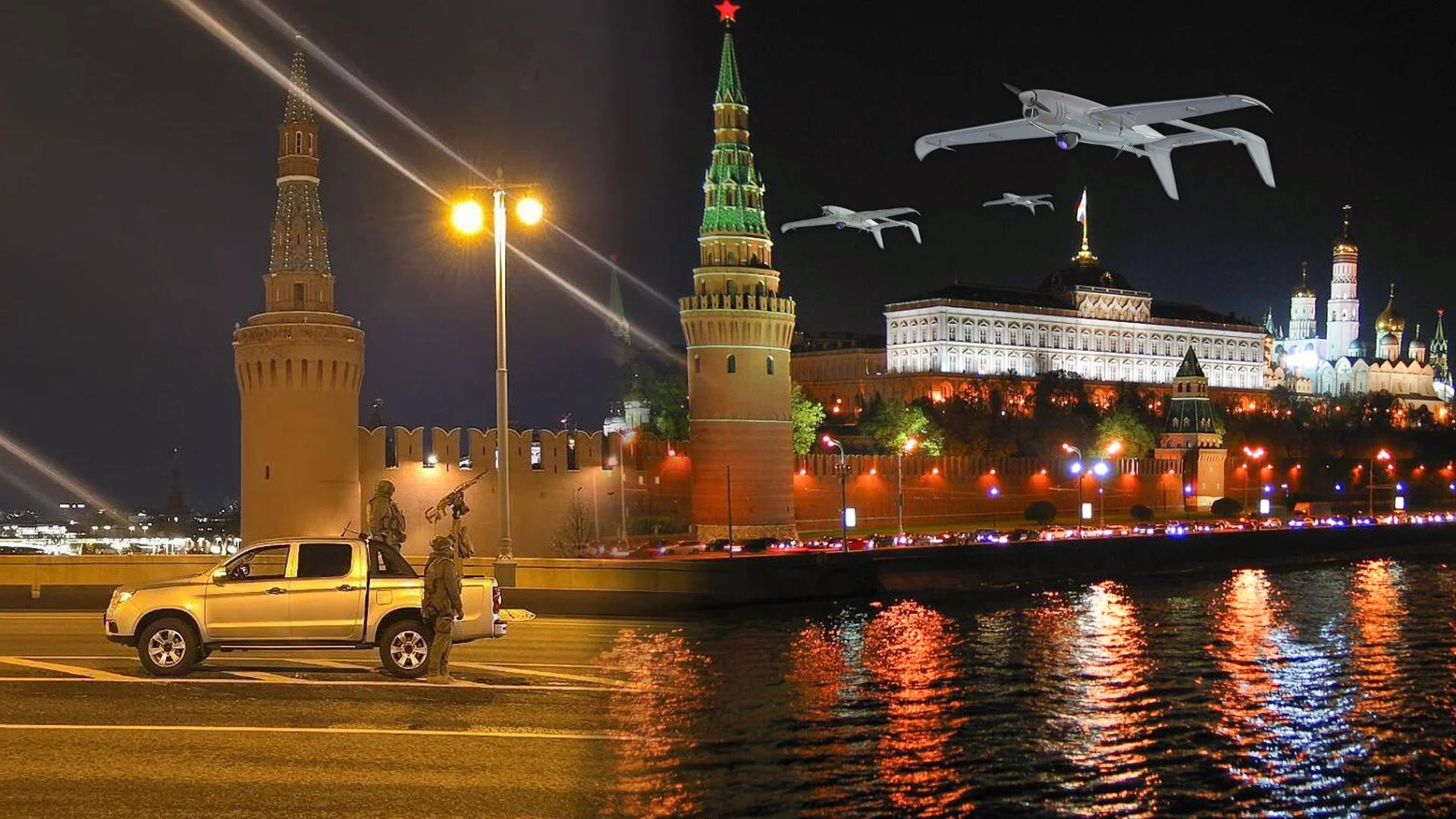
Currently, the Air Force units play a key role in repelling massive nighttime missile and drone attacks with which the russians terrorize peaceful Ukrainian cities. These combined enemy attacks are carried out side by side by anti-aircraft missile systems, fighter aircraft, electronic warfare units, mobile fire groups equipped with large-caliber machine guns and portable anti-aircraft missile systems.
The modern world has not yet encountered missile and drone attacks of such a scale that the soldiers of the Ukrainian Air Force have to repel. Their combat experience in repelling such attacks is one of the largest in the world.
The anti-aircraft missile troops have become one of the symbols of Ukraine's invincibility. They have dispelled the myth of the alleged "impossibility of intercepting" the latest russian missiles. Ukrainian military pilots have distinguished themselves with their courageous work in air battles. They play an important role in the liberation of Ukrainian territories from the occupiers, the destruction of enemy headquarters, ammunition depots and the elimination of other enemy strategic objects.
One of the important stages in the development and modernization of the Air Force was the receipt and successful use of the NASAMS, IRIS-T and Patriot anti-aircraft missile systems, as well as F-16 aircraft. These multi-purpose fighters allow for high-precision strikes on enemy ground targets, effectively combat its aircraft, and support other types and branches of the military from the air.
Air Force Day is a day when Ukrainians thank pilots, anti-aircraft gunners and technical engineers. This is a day of gratitude to everyone who repels russian air attacks, destroys enemy aircraft, missiles and drones, and delivers air strikes at the front and in enemy rear.
The Ukrainian Air Force is a complex system where modern technologies are combined with human courage, endurance and precise calculation.

Latest news
July 28, 2026

On July 28, the Republic of Peru celebrates its Independence Day. On this date in 1821, Peruvians fought with courage and valor in the Latin American wars of independence to become a sovereign nation. From the moment they heard: “Peru is from this moment free and independent by the general will of the people… Long live the homeland!”, a phrase that resounded simultaneously in the Plaza Mayor, La Merced, Santa Ana, and the Inquisition in Lima, they determined their own path.
On July 28, 1821, Peru declared its independence, marking the birth of the Peruvian nation. This proclamation rejected colonial rule and began the final stage of the struggle for independence, which culminated in the victory at the Battle of Ayacucho in 1824.
Peruvian volunteers are contributing greatly to the fight for the freedom of Ukraine. Alongside Ukrainians and volunteers from other countries, they are fighting against russian imperialist aggression. These modern-day Inca warriors demonstrate discipline, strategy, and adaptability. Fighting shoulder to shoulder, Peruvians and Ukrainians have forged a strong brotherhood in the face of the invasion.
We celebrate and congratulate our Peruvian friends on this very special day! On this date of great significance, we wish Peru continued economic growth and prosperity, the strengthening of its cultural roots, and a future filled with opportunity and continued success.
May this wonderful country continue to dazzle the world with its culture, hospitality, and unwavering strength.
¡"Hasta quemar el último cartucho"! ¡Viva el Perú!
July 27, 2026
Ukraine is making increasingly effective use of technological innovation on the battlefield. In the first half of July alone, three landmark combat operations highlighted how rapidly Ukrainian military technology continues to evolve.
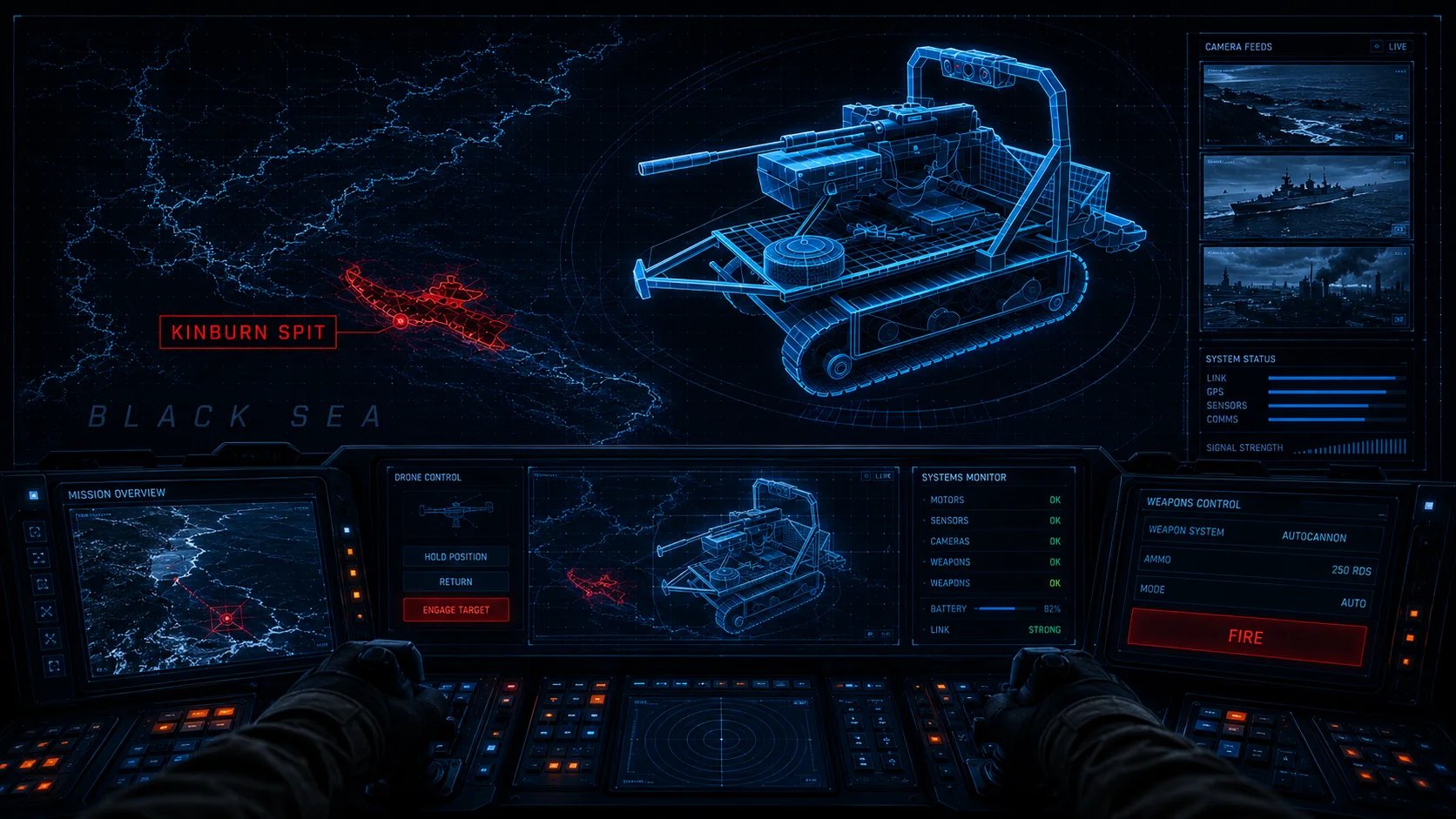
For the first time in history, a naval drone transported and deployed an armed unmanned ground vehicle equipped with a machine gun during an amphibious assault. The integration of a naval drone and an armed ground robot within a single combat mission drew the attention of military analysts and international media alike, demonstrating new approaches to conducting military operations.
Shortly afterwards, on another sector of the front, Ukrainian troops successfully assaulted an enemy position using drones and two machine-gun-equipped unmanned ground vehicles. The enemy infantry group was completely eliminated. In situations where the risk to personnel is exceptionally high, robotic systems are increasingly carrying out combat tasks, reducing the exposure of Ukrainian soldiers to unnecessary danger.
During the first half of 2026 alone, unmanned ground vehicles carried out more than 66,300 missions. Most were logistical, delivering ammunition and supplies to frontline positions and evacuating wounded personnel. At the same time, their role in direct combat operations continues to expand.
Ukraine has become one of the world's leading developers of cutting-edge military technologies. Ukrainian drones and unmanned ground vehicles continue to demonstrate impressive combat effectiveness.
New rules of warfare in the air
Ukrainian cyber intelligence specialists have also achieved significant success. As a result of one of their operations, russian air defense forces shot down one of their own Su-57 fighter aircraft. While analysing intercepted intelligence materials, Ukrainian cyber specialists discovered video footage documenting the training of russian air defense units. Working together with other experts, they developed a method of interfering with the operation of russian air defense systems. As a result, russian air defense forces mistakenly engaged one of their own aircraft.
In another remarkable incident, over enemy-held territory, a Ukrainian FPV drone successfully intercepted and struck a russian Mi-28 attack helicopter in flight. A drone costing only a few hundred dollars destroyed one of russia's most advanced combat helicopters, valued at more than $15 million.
The New York Times has also reported on how Ukrainian forces successfully adapted U.S.-made Patriot air defense systems to the realities of modern warfare. Initially, Ukrainian crews employed the tactics they had learned during training in the United States and Germany. Once the systems entered combat, however, it became clear that new operational approaches were required.
Ukrainian air defense crews now frequently switch Patriot systems to manual mode in order to avoid automatically launching expensive interceptor missiles against relatively inexpensive attack drones or decoy targets. Those threats can often be neutralized using much less costly means.
This adaptation has become particularly important as Iran's strikes against countries in the Persian Gulf have significantly reduced global stocks of Patriot interceptor missiles. In response, Ukrainian specialists have begun sharing their expertise with the air defense forces of partner nations, training them in cost-effective and efficient methods of countering drone attacks.
After more than four years of full-scale war, the Ukrainian Armed Forces have accumulated unique experience in modern warfare. Ukrainian service members are calling on foreign volunteers to join their ranks and are ready to share the combat knowledge and operational experience gained on one of the world's most technologically advanced battlefields.
July 20, 2026

On July 20, Colombia celebrates its Independence Day. On this day in 1810, Colombians demonstrated that they would be the masters of their own land and determine their own destiny. As Colombian historians note, July 20, 1810, was the first day on which Colombians began to think of themselves as a nation and became aware of their own political agency. This day marked the beginning of a long struggle for freedom and independence, culminating in the final victory of 1819.
Colombian volunteers have made a significant contribution to Ukraine's fight for freedom. Fighting shoulder to shoulder with Ukrainians and volunteers from many other countries, they continue to resist russian imperialist aggression. Colombians have proven themselves to be brave, steadfast, and highly skilled warriors. The brotherhood forged in battle between Colombians and Ukrainians has become the foundation of a strong friendship between our two peoples.
We congratulate the people of Colombia on this national holiday. On this significant day, we wish Colombia continued economic development, cultural flourishing, and a prosperous future. May this vibrant country continue to inspire the world with its beauty, hospitality, and indomitable spirit.
¡Viva Colombia!
July 15, 2026
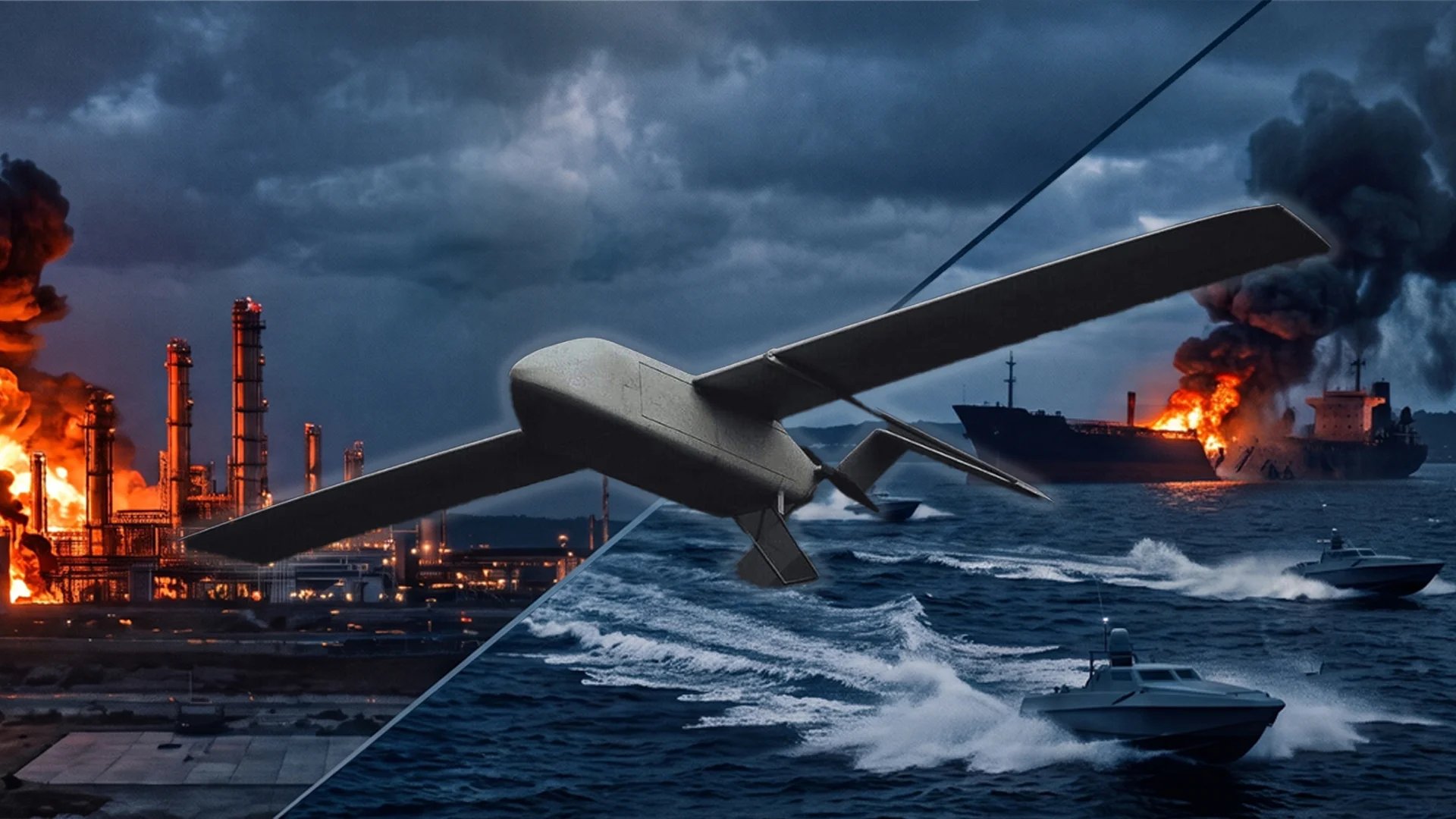
Ukrainian long-range drones hit russia’s largest oil refinery. This facility is located in the city of Omsk, 2,500 km from the Ukrainian border. This was achieved thanks to the use of upgraded FP-1 strike drones. Their flight to the target lasted about 12 hours. The first FP-1 model, introduced last summer, had a range of 1,600 km. Now, according to the developers, the upgraded model can cover a distance of up to 3,400 km.
“We have completely destroyed the very idea that Russia has a strategic rear,” Ukrainian President Volodymyr Zelensky said at the NATO Summit.
Ukrainian long-range drones also hit one of Russia’s largest oil refineries in the city of Salavat, located 1,400 km from the Ukrainian border. Oil refineries and military facilities are burning throughout russia. The only major russian oil refinery that Ukrainian drones have not yet reached is in the city of Angarsk, more than 4,400 km from the Ukrainian border.
The fuel crisis in russia is becoming increasingly serious. In exhausting, hours-long queues for gasoline, russians are increasingly fighting among themselves and voicing growing criticism of their government. These kilometre-long queues are visible even from space.
Before its full-scale invasion of Ukraine in 2022, Russia earned billions of dollars from gasoline exports. Now the russian ruler cannot provide gasoline to his subjects.
Naval russia’s fiasco
Ukraine has launched a successful operation to destroy russian maritime logistics in the Sea of Azov and the Black Sea.
After drone strikes paralyzed land transport links with the occupied Ukrainian peninsula of Crimea, the russians intensified supplies by sea but almost immediately suffered heavy losses. The russians suffered particularly heavy losses in the shallow Sea of Azov, where they used many small-capacity tankers. Here, almost every night, the russians lose dozens of vessels of various classes—not only tankers, but also cargo ships, ferries and tugboats.
Meanwhile, in the Black Sea, Ukrainian naval drones successfully attacked a large russian tanker and a warship.
Crimea requires about 70 thousand tonnes of fuel per month. In just one week, Ukrainians attacked and disabled russian tankers in the Sea of Azov alone with a combined carrying capacity of twice that amount of fuel. The focus of Ukrainian drone strikes then shifted to the Black Sea, where they successfully attacked 20 ships in one night.
In total, over the course of 10 days, more than 130 russian vessels of various types and sizes were hit. Western military observers write that the russians have never experienced such a catastrophic defeat at sea. The logistical lockdown that the Ukrainian military promised to impose on the russian occupiers is becoming increasingly evident.
Anti-ballistic coalition to protect Europe
Ukraine and nine European NATO member states (Great Britain, Germany, France, Denmark, Sweden, the Netherlands, Italy, Norway and Spain) signed a joint declaration on the creation of the Integrated Missile Defense Coalition on July 13.
The document notes that the decision was made against the backdrop of the growing threat posed by ballistic missiles. Therefore, the coalition members plan to strengthen missile defence. To do this, they are pooling the capabilities of their defense industries, scientific research expertise and combat experience to jointly develop new means of intercepting missiles.
“We recognize Ukraine’s unique experience gained while defending itself against russia’s war of aggression,” the declaration says.
“The more capabilities Ukraine has to shoot down russian ballistic missiles, the higher the likelihood that putin will sit down at the negotiating table, because his last argument in this war will no longer work,” the Ukrainian president said.
The russia is running out of offensive potential
The enemy tried to launch a large-scale offensive, but failed to achieve any of its objectives, despite an almost twofold advantage in personnel and equipment. Whereas the russian army previously conducted active offensive operations in 13 operational sectors, now that number has fallen to six or seven. This was stated by the Commander-in-Chief of the Armed Forces of Ukraine, General Oleksandr Syrsky, while summarizing the results of the first half of 2026.
Currently, the ratio of Ukrainian assault operations to enemy operations is approximately 40:60. Thanks to the active actions of the Defense Forces of Ukraine in the first half of 2026, the pace of russian advances has more than halved. Average by russian monthly losses in killed and wounded amount to about 32 thousand servicemen.
In terms of the pace of advance, the two sides have almost reached parity. There is a steady trend towards an increasing ratio of territory liberated by Ukraine compared with territory captured by the enemy.
The Ukrainian army has gained unique experience in modern warfare. Ukrainian soldiers are calling on foreign volunteers to join their ranks and are ready to share their cutting-edge combat experience.
July 9, 2026

On July 9, Argentina celebrates Independence Day. On this day in 1816, the Congress of the United Provinces of the Río de la Plata adopted the Declaration of Independence, proclaiming the country's separation from the Spanish Crown. This historic event marked a turning point in the struggle of the peoples of South America for freedom and sovereignty and became an important milestone in the history of the entire continent.
Independence Day represents a decisive step in the establishment of Argentina as a sovereign state and in the formation of the Argentine nation.
From the late nineteenth century through the first half of the twentieth century, Ukrainian immigrants made a significant contribution to Argentina's development, laying the foundation for the long-standing friendship between our two countries. Argentina was the only Latin American country to recognize the independence of the Ukrainian People's Republic in 1921 and the first to recognize Ukraine's independence in 1991.
We extend our heartfelt congratulations to the freedom-loving people of Argentina on this national holiday.
We are grateful to the Argentine volunteers who have joined the Armed Forces of Ukraine and who, shoulder to shoulder with Ukrainians, are defending freedom and independence against aggression and imperialism. Their courage and commitment to freedom strengthen the bond between our nations.
“Al gran pueblo argentino, ¡salud!”
July 6, 2026
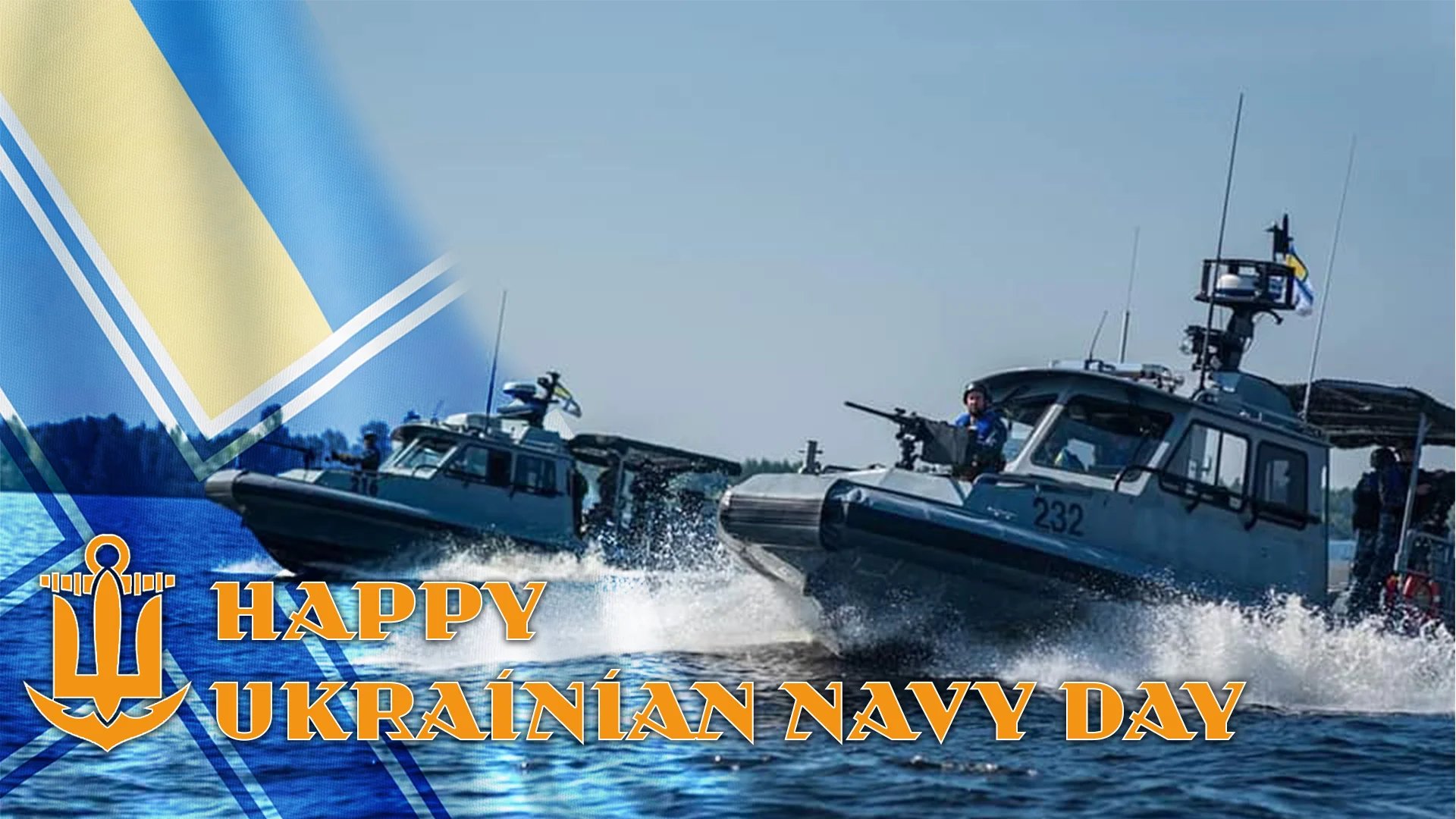
On July 5, Ukraine celebrated Navy Day. At the beginning of russia's full-scale invasion in February and March 2022, Ukrainian sailors played a crucial role in the country's defense.
As it prepared for its aggression against Ukraine, russia concentrated substantial naval forces in the Black Sea, including more than a dozen large landing ships. All indications suggested that russia was planning to launch a major amphibious assault on Ukraine's coastline. However, despite being heavily outnumbered at sea, the Ukrainian Navy organized its defenses so effectively that russia, despite its overwhelming naval superiority, never dared to carry out such an operation.
Shortly afterward, a precision strike using Neptune anti-ship missiles sent the flagship of russia's Black Sea Fleet, the cruiser Moskva, to the bottom. Soon after, Ukrainian sailors, together with other units of Ukraine's Defense Forces, forced the russian invaders to withdraw from Ukraine's Snake Island. Subsequent attacks by Ukrainian naval drones and missile strikes compelled russia to abandon the western part of the Black Sea altogether and relocate the remaining ships of its fleet to the port of Novorossiysk.
This made it possible to restore commercial shipping in the western Black Sea by opening the so-called Grain Corridor, through which Ukraine exports its agricultural products by sea.
Today, the Ukrainian Navy is a powerful and multifaceted fighting force. Its personnel are doing everything possible to keep the sea safe and ensure the continued operation of the Grain Corridor. Naval aviation, coastal missile units, and artillery regularly deliver precision strikes against the enemy. Combat divers and special operations units carry out highly complex missions that often remain unknown to the general public. Ukrainian marines continue to fight in some of the fiercest sectors of the front. Many foreign volunteers serve in the ranks of the Ukrainian Marine Corps, where they have demonstrated outstanding combat skills and earned the deep respect of the Ukrainian people.
"I thank all our sailors, marines, ship crews, coastal units, and everyone serving in the Navy," President of Ukraine Volodymyr Zelensky said in his address marking the occasion. "Thanks to your courage, Ukraine continues to maintain control over its maritime domain, our southern regions remain protected from russian attacks, and the marines, together with other units of Ukraine's Defense Forces, continue to hold back the enemy in the most difficult sectors of the front. The Ukrainian Navy has shown the world that strength is not always measured by the number of ships or the amount of resources. Professionalism, determination, and devotion to one's country have achieved results of which all Ukrainians can be proud."
"Ukraine has always been, is, and always will be a maritime nation," Commander of the Ukrainian Navy Vice Admiral Oleksiy Neizhpapa said on the occasion of the holiday. "We prove this not merely with words, but with the strength of our weapons and our character. We have come a long way—from the first days of the Navy's formation to today's high-tech capabilities. We are now confidently building a new generation of the Ukrainian fleet—modern, fast, and innovative."
Ukraine's naval traditions stretch back many centuries. As early as the ninth and tenth centuries, the warriors of the Kyivan princes launched naval expeditions against Constantinople. Later, the Ukrainian Zaporizhian Cossacks challenged the mighty Ottoman Empire at sea… Today's Ukrainian sailors honor the legacy of their predecessors while adding new glorious victories of their own.
July 1, 2026
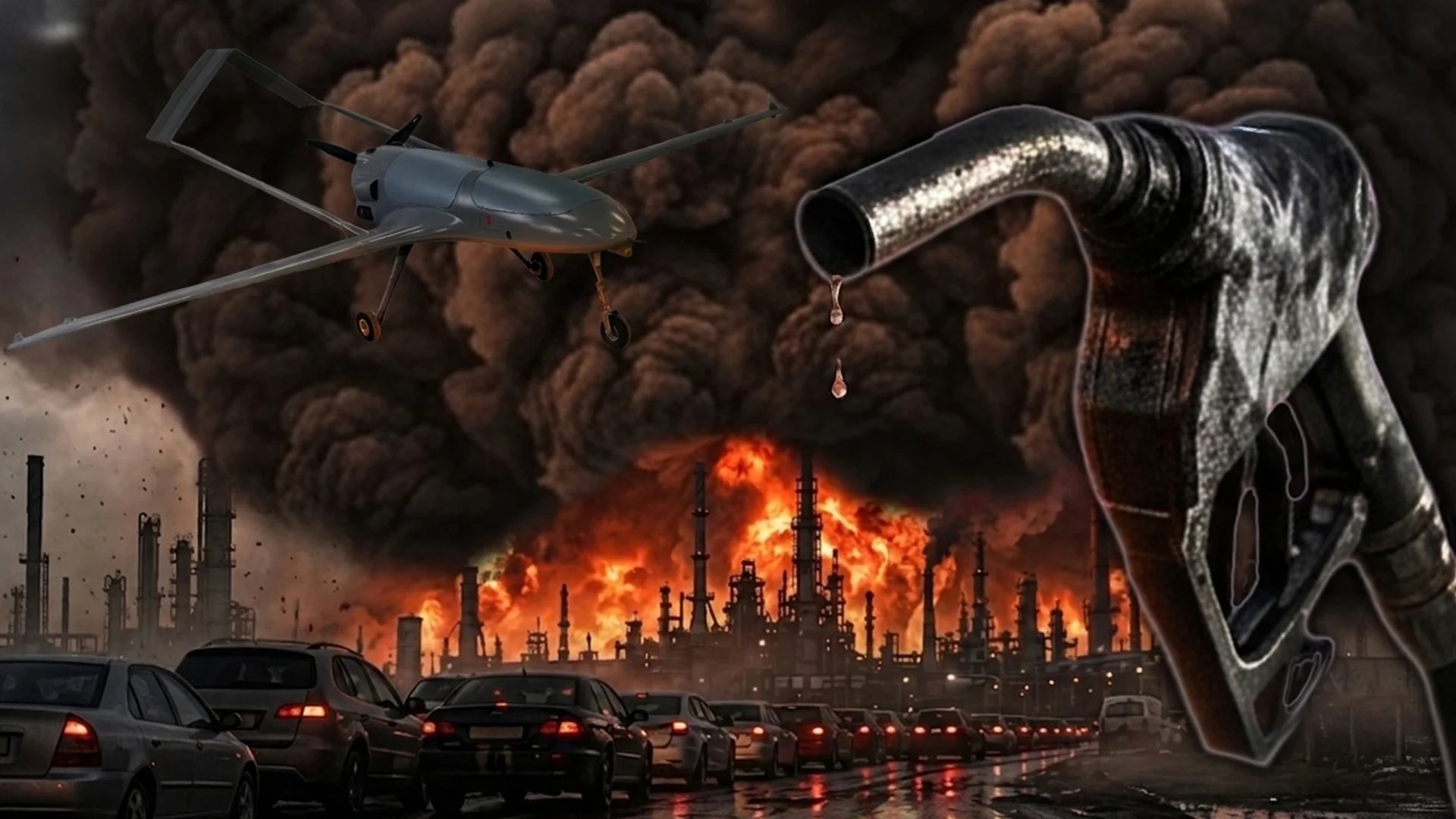
In the second half of June, Ukraine significantly stepped up attacks on russian military, oil refining, and logistics infrastructure. The most notable result of the Ukrainian attacks was a large-scale gasoline crisis that swept across russia.
Ukrainian drones continue to systematically destroy russia's oil refining industry. They have struck facilities located more than a thousand kilometers from the Ukrainian border.
On June 20, Ukrainian drones attacked an oil refinery in Tyumen, 2,000 km from the Ukrainian border. On June 24, they struck a gas processing plant in Orenburg, the largest gas chemical complex in the world, about 1,200 km from the Ukrainian border. On June 25, they attacked an oil refinery in Ufa, about 1,400 km from the Ukrainian border.
Of the ten largest russian oil refineries, only two were not attacked, as they are located too far from Ukraine — more than 2,800 km away.
As a result of these attacks, there are almost no regions left in russia that have not been affected by the fuel crisis. Moreover, it is felt most acutely where Ukrainian drones have not reached. Fuel is simply being diverted from those regions for the russian army and for moscow. For example, in the Irkutsk region (more than 4,500 km from the Ukrainian border), drivers have to wait in line at gas stations for up to 18 hours. And in Transbaikalia, which is even further east from the Ukrainian border, gas stations sell no more than 15 liters of fuel per customer. Fuel prices have risen sharply throughout russia.
At the same time, russian ruler putin assures his subjects that “the situation with gasoline is not critical.”
Ukrainian President Volodymyr Zelensky noted in this regard: “putin can say as much as he wants on TV that he supposedly controls everything, that there is gasoline. But the russians themselves, standing in the queues for gasoline in different regions of russia, can really see that this ‘three-day war’ of theirs has been going on for five years, so much so that even the oil state, the ‘gas station,’ as russia was called, is now facing a gasoline shortage.”
The war is coming home
Starting on June 16, Ukrainian drones carried out several massive strikes on moscow. They managed to break through the multi-layered air defenses of the russian capital. Among other things, they destroyed an oil refinery in moscow, which played a major role in supplying the russian capital with gasoline. According to experts, restoring the facility will takeat least until the end of 2026. Gasoline sales at moscow gas stations were limited to 30 liters per car.
In addition, near moscow, drones twice hit the Dubna space communications center. According to President Zelensky, “this is a special satellite communications facility that is used, in particular, for reconnaissance and for coordinating the activities of the russian occupation contingent in Ukraine.”
No less important is the symbolic significance of the strike on moscow. Thus, the war has returned home — to where it was conceived.
Separately, it is necessary to mention Ukrainian missile strikes on Russian factories that produce military equipment. On June 22, missiles hit an electronics plant in Voronezh, which produced parts for missiles and air defense systems. On June 27, a missile strike was carried out on a plant in Volgograd, which produces artillery systems and missile launchers.
The main trophy has become the main problem
The enemy infrastructure on the occupied Crimean Peninsula has suffered particularly devastating damage.
During the second half of June, several railway bridges were destroyed there, as well as repair equipment that had been brought in to restore them. On June 21, Ukrainian drones attacked a ferry crossing across the Kerch Strait. Oil terminals and air defense positions were also destroyed throughout the peninsula. On June 24, drones hit a power plant near Sevastopol — until recently, the main russian naval base in the Black Sea.
As a result, the sale of gasoline to the civilian population has completely stopped on the peninsula. Whereas millions of tourists used to visit the peninsula's resorts during the summer season, now there are almost no people wishing to vacation in Crimea. On June 26, the occupation authorities introduced a state of emergency in Crimea for an indefinite period.
Twelve years ago, russian aggression against Ukraine began with the occupation and annexation of Crimea. Now the peninsula has become the biggest problem for russia and for its inept ruler himself.
June 12, 2026
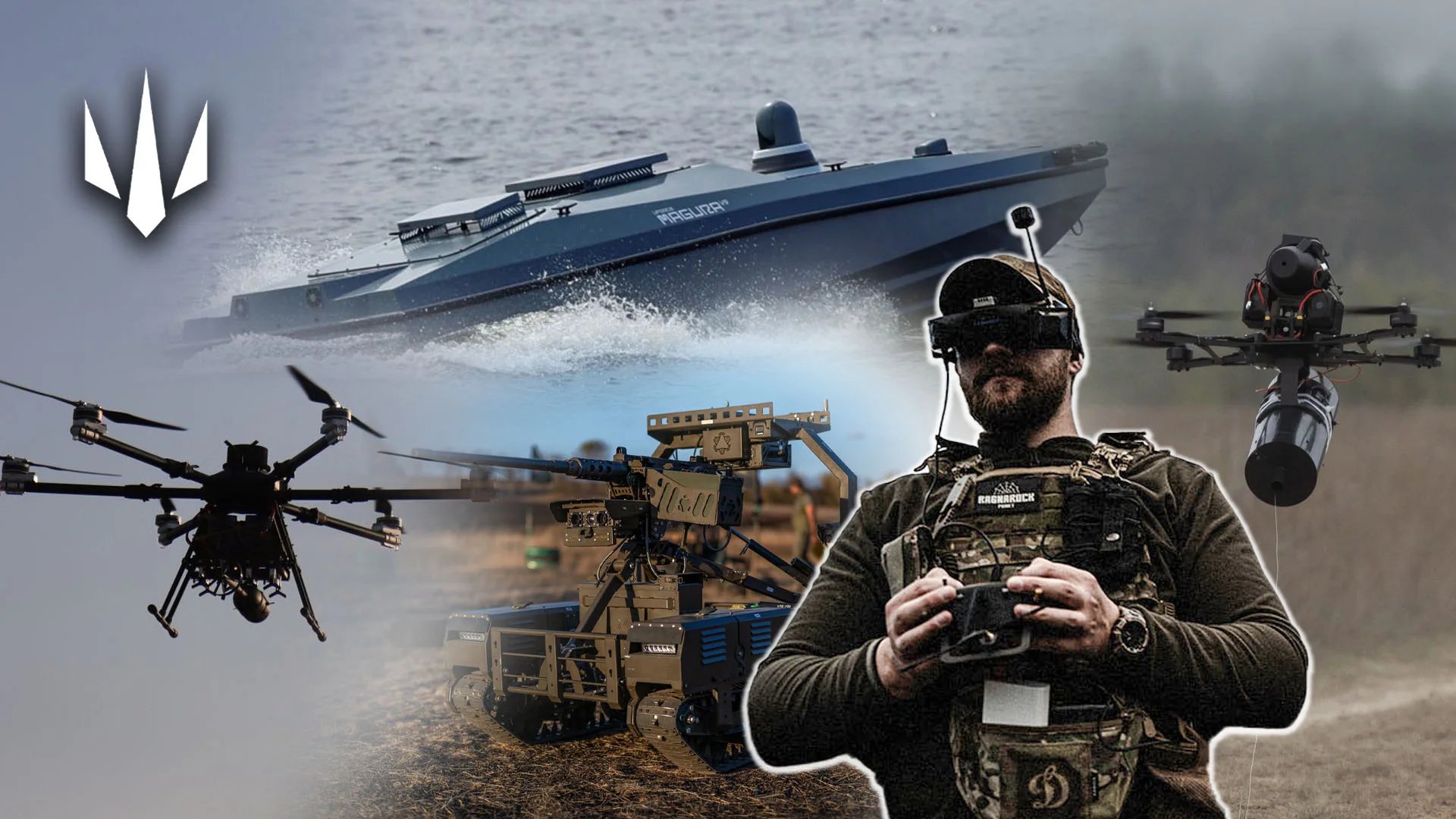
On June 11, Ukraine celebrates the Day of the Unmanned Systems Forces of the Armed Forces of Ukraine for the first time. It became the first country in the world to create such a force in it’s army in the summer of 2024. And on June 11, 2025, the Unmanned Systems Forces Group was created, which included 12 combat units. Over the year, it’s fighters showed very high combat effectiveness. They hit about 350 thousand enemy targets, about 100 thousand Russian soldiers. The material losses of the russians from these strikes are estimated at almost $ 40 billion.
Born in the crucible of war, the Unmanned Systems Forces became the answer to its most acute challenges.
The Ukrainian Unmanned Systems Forces unite all the key unmanned capabilities of the army: air, ground and sea. They provide fire damage, reconnaissance and correction, logistics and evacuation of the wounded on the front line, air defense, training and development of the latest military technologies.
The Unmanned Systems Forces have transferred the war to russian territory. They paralyze logistics in the near enemy rear and destroy enemy military-industrial infrastructure a thousand kilometers or more from the front line.
Since December 2025, the Deep Strike Center has been operating within the Unmanned Systems Forces, which plans operations to strike at strategic depth. Long-range Ukrainian drones strike enemy targets at a distance of 1,500-1,800 km from the front line. Now even very remote russian regions have ceased to be a safe rear.
The symbol of the Unmanned Systems Forces is a steel swallow; their slogan is “our strength is reason.”
“The Unmanned Systems Forces are the youngest, but already one of the most effective individual branches of the Armed Forces of Ukraine,” said the Commander-in-Chief of the Armed Forces of Ukraine, General Oleksandr Syrsky, in his congratulatory address. “Ukraine has forced the world to take a new look at the role of unmanned systems in modern warfare. Drones have long ceased to be an experiment or an auxiliary tool. They have become one of the main tools of modern warfare and one of the key factors in preserving the lives of Ukrainian soldiers.”
The Ukrainian Unmanned Systems Forces are shaping new standards and rules for conducting modern warfare – a war where people think and decide, and drones execute. They are constantly improving, opening up new opportunities and creating new ways to fight the enemy. Ukrainians have proven that thanks to technological sophistication, creativity and courage, war can be changed.
June 10, 2026
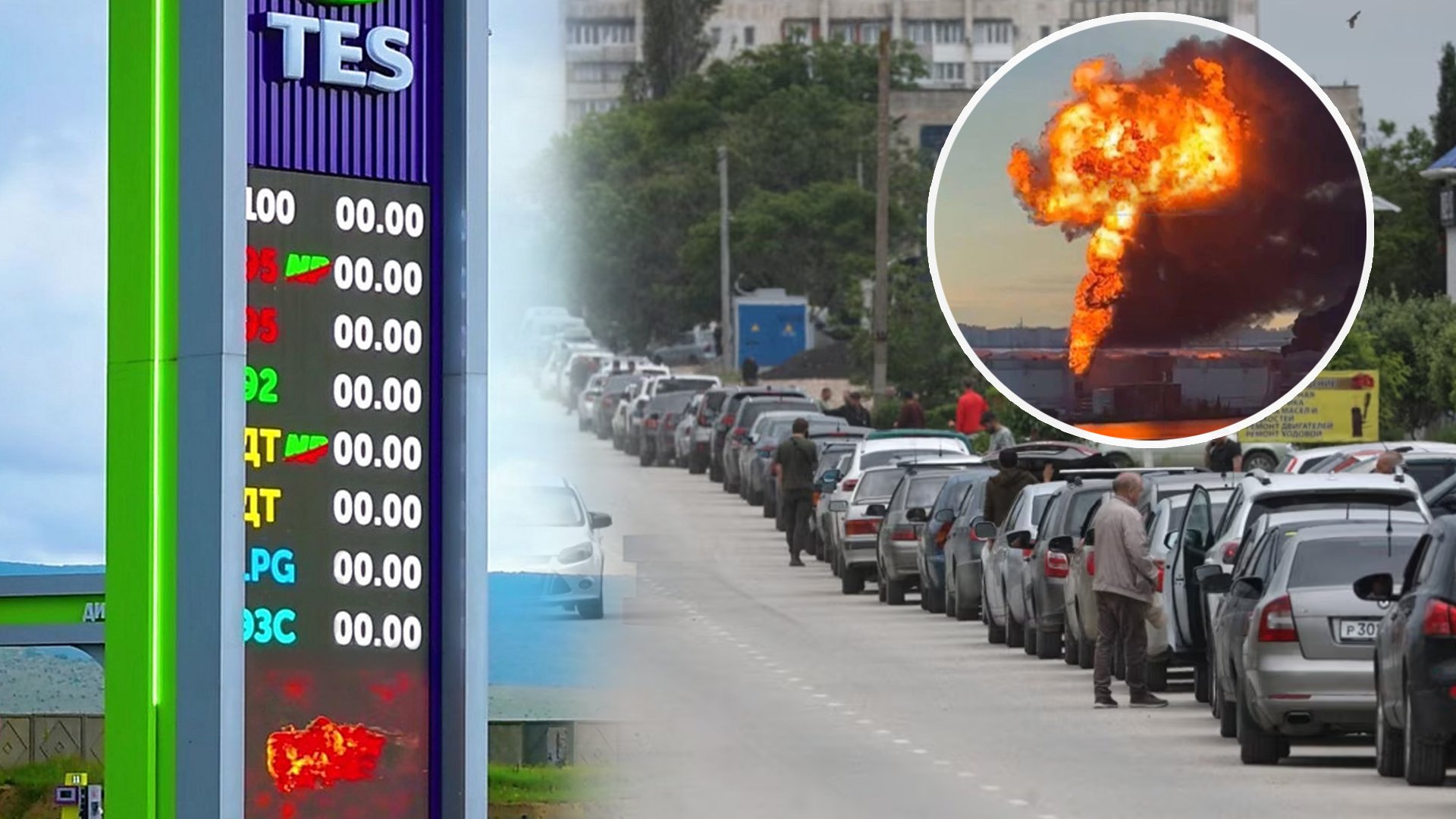
The Ukrainian Defense Forces continue to maintain the initiative in certain areas of the front and deliver effective strikes against the enemy in it’s operational and strategic depth. This was stated by the Commander-in-Chief of the Armed Forces of Ukraine, General Oleksandr Syrsky, reporting on the results of the fighting in May. According to him, since the beginning of the year, Ukrainian troops have liberated more than 600 sq. km of Ukrainian land.
The Ministry of Defense of Ukraine has launched the “Logistical Lockdown” program. It’s goal is to scale up strikes on Russian troops and logistics in rear areas at an operational depth of 50 to 160 kilometers. The Minister of Defense Mykhailo Fedorov noted that Ukraine is gradually seizing the initiative at the front, and the price of advancement for the russians is constantly growing. If in October last year the enemy lost 67 soldiers per 1 km² of advancement, then in April it was already 179. There is a noticeable pattern: the more russian logistics are destroyed in the near rear, the less their assault actions at the front.
Therefore, now the Ukrainian troops intend to scale up the middle strike as much as possible and create a complete logistical lockdown for the enemy. As part of the program, the Ministry of Defense has additionally allocated about 115 million dollars for the purchase of modern middle strike means.
Meanwhile, drone pilots of the Azov National Guard Corps are taking control of the roads along the coast of the Sea of Azov, important logistical arteries for russians in the occupied territories. Even russian propagandists are forced to admit that Ukrainian drones are reaching places where no significant threat was previously expected, and the russian command cannot influence the situation.
Recently, when asked by the host of one of the official russian TV channels about the situation on the front line, a military propagandist replied: “The situation is such that the russian troops have 17 drones per kilometer, and the enemy has 10 drones per one of our attack aircraft that goes on the offensive.”
Economy "with smoke"
Ukrainian long-range drones visited the outskirts of St. Petersburg (the second largest and most important russian city), where the International Economic Forum was held under the auspices of russian ruler putin. They hit an oil terminal just 16 km from the forum site, bombed a naval base, where they hit a warship and an ammunition depot. The smoke from the fires really impressed the forum participants. No less impressed were the forum guests and residents of the city by the weakness of russian air defense.
According to the British Telegraph, the Afghan Taliban delegation even recognized St. Petersburg as more dangerous than Kabul. And although the russian ruler assured those present that russian troops were succeeding, against this background his words sounded very unconvincing.
The collapse of russian oil refining
Ukrainian strikes on russian oil refining and oil transportation infrastructure are having an increasingly greater effect. In many regions of russia and in temporarily occupied territories, there is a shortage of gasoline and other fuels.
In occupied Crimea, the sale of gasoline has been completely stopped for an indefinite period. But fuel problems have arisen not only in the occupied Ukrainian territories and in the front-line regions of russia. In the russian capital, moscow, after strikes by Ukrainian drones on oil refining and oil transportation infrastructure, the sale of gasoline has also been restricted. In total, fuel sales have been significantly restricted in 15 regions of russia and the occupied territories! And this despite the fact that the russian authorities have banned the export of gasoline from April 2 to July 30, as well as the export of aviation fuel from June 1 to November 30, 2026.
Before the start of full-scale aggression against Ukraine, russia was one of the largest exporters of refined petroleum products. It was even jokingly called a gas station country. Now, after the strikes by Ukrainian drones, russia cannot provide gasoline even to its own citizens!
The Ukrainian army has the most advanced experience of modern warfare. Ukrainian soldiers call for foreign volunteers to join their ranks and are ready to share with them the most modern military experience.
May 27, 2026
On May 27, Ukraine celebrates Special Operations Forces Day. On this day in 2014, fighters of the special forces regiment, with the support of fighters from other units, defeated detachments of russian militants and liberated the Donetsk airport terminal from them.
10 years ago, in 2016, the Special Operations Forces were created on the basis of the special forces regiments – the youngest and most modern component of the Armed Forces of Ukraine. Their credo is the advantage of quality over quantity.
After the start of the full-scale russian invasion in February 2022, soldiers of the Special Operations Forces distinguished themselves in the hottest areas of the front. They were in the defense of Kyiv, in the liberation of Zmiiniy Island in the Black Sea, in the lightning counteroffensive in the Kharkiv region, in the liberation of Kherson, in the battle for Bakhmut, and captured drilling platforms in the Black Sea. In 2024-2025, they took an active part in the operation in the Kursk region of russia, where, among other things, they captured soldiers of the North Korean army who participated in the war on the side of the russians.
Soldiers of the Special Operations Forces often perform the most difficult and dangerous tasks. Their units are the first to enter the enemy's rear by land, sea and air, preparing the basis for operations to liberate Ukraine from the invaders. Their combat path is a chronicle of unique tasks that have already entered the history of military art.
In addition, the Special Operations Forces are engaged in organizing the Resistance Movement in temporarily occupied territories. Psychological operations units plan and carry out tasks to influence the enemy both on the front line and in the deep rear.
The specifics of the activities of the Special Operations Forces often make their missions classified, so they become known either only in general terms or after a significant period of time. Their symbol is a werewolf, which symbolizes a warrior with supernatural abilities.
Servicemen who are going to serve in special operations forces units undergo special selection, and then special training. Experienced instructors teach recruits various military specialties. Foreign volunteers can also be selected and join special operations forces units, undergo appropriate training and acquire unique skills and military experience. In particular, the 140th and 144th Special Operations Forces Centers invite foreign volunteers to their ranks.


As the President of Ukraine Volodymyr Zelensky noted in his congratulatory address, “Special Operations Forces are one of the most effective components of our defense. Precise operations and always important results for the state. Soldiers prove their strength, endurance and professionalism every day in the fight for Ukraine.”
“You are the elite of the Ukrainian army,” said the Commander-in-Chief of the Armed Forces of Ukraine, General Syrsky. “Your units work beyond the limits of the possible – they are the first to enter the enemy’s rear by land, air, water and underwater. Where others see tasks of superhuman complexity, you act decisively, imperceptibly and effectively. "Today, in the conditions of a full-scale war, you prove your effectiveness every day, delivering pinpoint and painful blows to the occupiers both on the territory of Ukraine and in the aggressor country. Your contribution to the future victory is invaluable".
May 26, 2026
The number of offensive actions by the Ukrainian Defense Forces has recently begun to exceed those of the russians. This was stated by the Commander-in-Chief of the Armed Forces of Ukraine, General Oleksandr Syrsky. “The intensity and number of combat actions on their part have decreased. The number of offensive and counterattack actions on our part has increased,” he said.
Analysts from the American Institute for the Study of War also note that the Ukrainian Defense Forces are regaining tactical initiative in various sectors of the front line. According to their data, Ukrainian counterattacks and medium-range strikes on russian logistics have largely neutralized the Russian offensive potential.
"Ukraine is striking deeper and deeper into russia than ever before. russian advances on the battlefield have slowed dramatically and may have stopped altogether," writes the British Telegraph.
The war has come to moscow
Ukrainian defense forces have launched a massive strike on oil refining and defense facilities in and around the russian capital. In particular, the moscow oil refinery, two oil pumping stations, and a defense plant in Zelenograd, a city near moscow that is one of the largest manufacturers of microcircuits, were hit. The destruction of these facilities is a significant blow to the fuel logistics and military capabilities of the aggressor state.
The success of this operation is of particular importance, since moscow and the moscow region are among the most air-defence-protected regions of russia. But the results of the attack indicate that there is no longer a safe place in russia that a Ukrainian drone cannot reach.
Ukrainian robots successfully attack enemy infantry
The fighters of the 100th mechanized brigade conducted a successful robotic assault on an enemy position. In the city of Kostyantynivka, a russian sabotage and reconnaissance group captured an abandoned high-rise building to set up a base. Since there were not enough personnel at the nearest Ukrainian position, the brigade command attacked the invaders with the help of three ground robotic complexes.
The first ground drone acted as a decoy – the russians focused fire on it. While the enemy was distracted, a second kamikaze drone loaded with 300 kilograms of explosives drove up from the rear. The third robot delivered additional weapons to the Ukrainian infantrymen to a neighboring position in advance to complete the operation. After the explosion, the Ukrainian soldiers surrounded the ruins and offered the surviving occupiers to surrender. They refused and opened fire, after which the entire group of eight russians was eliminated.
Long-range Drones were armed with rockets
Fighters of the Ukrainian Forces of Unmanned Systems have used another invention against the enemy: unguided rockets from the sides of long-range drones at an operational depth of up to 500 kilometers.
Unguided rockets are used on helicopters and attack aircraft against ground targets. But in modern warfare, aviation will not reach where Ukrainian drones fly.
“The combined method of use – a kamikaze drone with a 60 kg warhead + 8 rockets – opens up completely different possibilities,” says the commander of the Forces of Unmanned Systems, a major with the call sign “Madyar”.
One of the techniques is that first the unguided rockets hit the air defense and mobile fire groups of the russians, and then the drone attacks the enemy object. Mobile air defense fire groups armed with portable anti-aircraft systems and machine guns are especially vulnerable to rocket attacks. "Madyar" advised the soldiers of the enemy mobile groups to hide in the bushes and not to interfere with the work of Ukrainian drones.
Ukraine has become a forge of the most modern weapons, and the Ukrainian army has the most advanced experience of modern warfare. Ukrainian soldiers are calling for foreign volunteers to join their ranks and are ready to share with them the most modern military experience.
 Application accepted!
 Application not accepted